1. Peppermint (Mentha piperita):
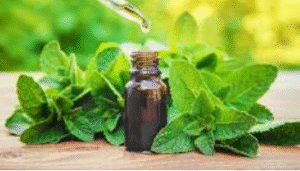
- It is amazing not only for the athletes but also for the elderly individuals suffering from stiff muscles.
- It can be used as pre-workout stimulation and post-training pain relief.
- A study in the Journal of sport & exercise psychology found that peppermint massages and aromatherapy can improve running speed, handgrip strength, and focus while reducing negative thoughts.
- It provides a cooling sensation and blocks pain.
2. Kencur (Kaempferia galanga):
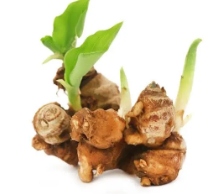
- This is a primary aromatic ginger closely related to kaempferia parviflora (Thai Ginseng).
- It is majorly used to clear lactic acid
- A 2024 research study on hockey athletes found that using kencur as massaging oil resulted in lowered lactic acid levels in the blood.
- It helps in reducing inflammation and possesses anti-microbial and anti-acne properties.
- Additionally, It reduces fatigue and aids in heart rate recovery.
3. Rosemary (Rosmarinus officinalis):
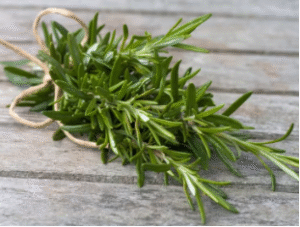
- It relieves muscle stiffness and pain relief
- Research states that it contains camphor and bornyl acetate, which desensitize TRPV1 pain receptors to alleviate muscle soreness and stiffness.
- Research shows that inhaling diffused rosemary essential oil can increase mental speed and accuracy.
- It has analgesic properties; combine it with acupressure that will lead to a 30% reduction in local pain.
4. Lavender (Lavandula angustifolia):
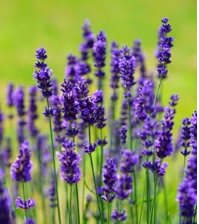
- This oil supports heart rate recovery and relaxation.
- A 2024 study conducted post treadmill training showed that it improves heart rate recovery, relaxes the mind, and reduces fatigue; it is widely recognized for lowering cortisol levels.
- It interacts with GABA receptors in the brain, relaxing neurons without any side effects.
- A 2026 study found that lavender essential oil modulates interleukin-6 (IL-6) mRNA expression (IL-6 is a myokine (muscle-secreted protein) that helps in tissue repair).
5. Sweet Marjoram (Origanum majorana):
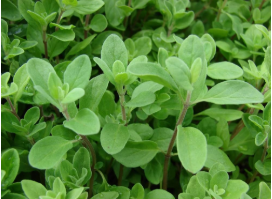
- It is used for muscle spasms & cramp relief.
- It contains terpinen-4-ol, which exhibits clinical antispasmodic actions on muscles and can treat chronic tension.
- A 2018 study demonstrated that marjoram has pain-reducing effects for musculoskeletal conditions, making it effective for rheumatism, joint stiffness, and post-exercise soreness.
- Clinical trials demonstrate that inhaling marjoram essential oil can decrease blood pressure and heart rate.
- It also regulates hormones, treating insomnia and emotional exhaustion, and promotes deep sleep.
6. Ginger (Zingiber officinale):
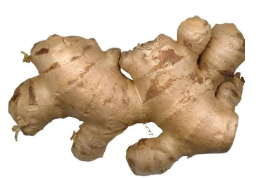
- It provides warmth to the muscles, acting as a warming oil that brings fresh blood flow to overworked areas.
- It contains a-pinene, which acts as an anti-inflammatory.
- In research indicates that consuming 2 grams of ginger extracts can reduce muscle pain.
- In clinical trials, ginger extract was helpful in relieving joint pain and stiffness in osteoarthritis patient.
- It also interact with 5-HT3 receptors to reduce nausea and vomiting, making it ideal for runners.
7. Helichrysum (Helichrysum italicum):
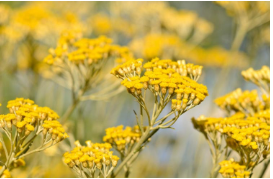
- It is referred as immortelle or the everlasting flower, this oil has been prominent in pharmacological research due to its complex chemical profile.
- It contains anti-oxidants properties, that aid in repairing tissues.
- A research study noted its ability to support veins and reduce bruising due to its anti-inflammatory compound y-curcumene.
- It also has effective anti-fungal and anti-bacterial properties that help in wound healing.
1. Lemon synergy + ginger
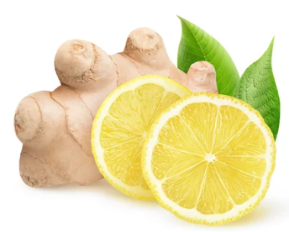
It is used in reducing anxiety and improving concentration.
Research: In a research study involving 92 random sports enthusiasts, participants used a 40:60 ginger-lemon blend via diffuser for 90 minutes. This resulted in a massive increase in concentration scores, decreasing distraction by 37% and reducing anxiety by 10%.
2. Peppermint
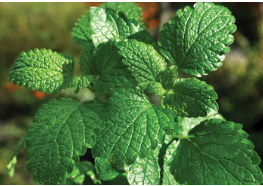
It is used to improve concentration and energy.
Research: A random study suggests that inhaling peppermint can leave athletes feeling more energetic and focused than consuming Red Bull or any other energy drink. It improves alertness and reaction time by 15 to 30%, according to research on complementary therapies in medicine.
3. Rosemary
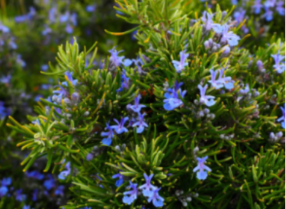
It is used for improving memory and alertness
Research: A 2003 study found that athletes inhaling rosemary essential oil felt mentally refreshed, with alertness increased by 30%. Additionally, a 2013 Northumbria University study showed its significant role in-cognitive function; various trials have seen memory improvements ranging from 5% to 15%.
4. Eucalyptus
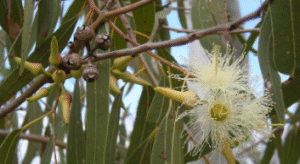
It is used in improving breathing and mental clarity.
Research: A study has found that using eucalyptus oil in aromatherapy reduces fatigue and lowers blood pressure. It increases nasal airflow, thereby improving oxygen delivery to the brain.
Because it contains 1,8-cineole, studies show it improves cerebral blood flow and helps combat brain fog. Furthermore, while it promotes alertness, it simultaneously reduces cortisol levels.
1. Pre-workout:

Method: Diffuser or direct inhaling.
Blend: 3 drops Peppermint + 2 drops Rosemary + 1 drop lemon.
Timing: Inhale for 10-15 mins before any sports activity to sharpen focus without raising the heart rate excessively.
2. Athletes’ Recovery Massages:
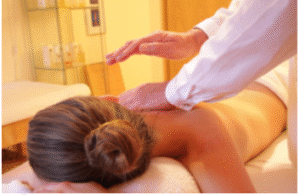
Method: Diluted oil
Blend: 4 drops Kencur + 3 drops Sweet Marjoram + 3 drops Helichrysum (mix a few drops of essential oil with carrier oil and massage).
Timing: Massage it for 15 to 20 mins to improve blood flow and ensure better absorption of oils.
3. Mind Relaxation:

Method: Diffuser
Blend: 4 drops Lavender + 2 drops Roman Chamomile.
Timings: Use for 10 to 15 mins to calm the mind, reduce stress & anxiety.

1. Aromatherapy vs Other Recovery Methods
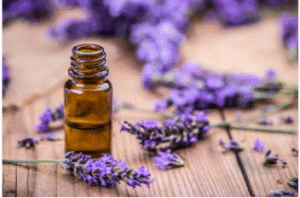
A study published in the Journal of Exercise Rehabilitation compared 4 recovery methods—rest, massages, aromatherapy, and acupressure.
Verdict: Aromatherapy was found to be most effective, decreasing lactic acid from (50.82 → 36.64 mg/dL) and cortisol levels from (570 → 510 nmol/L). In contrast, a simple rest actually saw an increase in cortisol levels (591 → 636 nmol/L). Hence, the clear winner is aromatherapy.
2. Clinical Trials
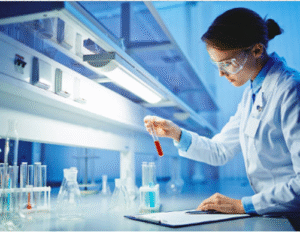
Bezmialem Vakif University conducted a research trial on young athletes 12-14 age group. The study measured heart rate recovery speed, blood pressure, oxygen saturation (SpO₂), borg RPE (perceived exertion), fatigue severity scores
Verdict: Researches noticed that young athletes often struggle to balance academics, and intense training. After using aromatherapy, these teen athletes were able to relax and recover from physical exertion.
3. Practical Application in Elite Sports

Aromatherapist Chen Meizhi worked with athletes at Taiwan’s National Sports Training Center for three consecutive years.
Verdict: Findings suggest that aromatherapy helps teen athletes recover effectively by relaxing the body and releasing accumulated mental pressure.