
Every swimmer is familiar with goggle face. You finish a high-intensity pool session, step in front of the locker room mirror, and see dark, purple-red indentations around your eyes. Constantly wearing swim goggles leaves such stubborn marks because a combination of pressure, tight suction, and friction actively affects the delicate skin barrier around the eyes.

A product testing survey conducted by a major swimwear brand reveals that around 80% of frequent swimmers experience temporary goggle face. Interestingly, in some cases 75% of the swimmers adjust their goggles too loosely, only to end up tightening the straps far beyond professional recommendations to stop leaks. This creates excessive pressure around the eyes.
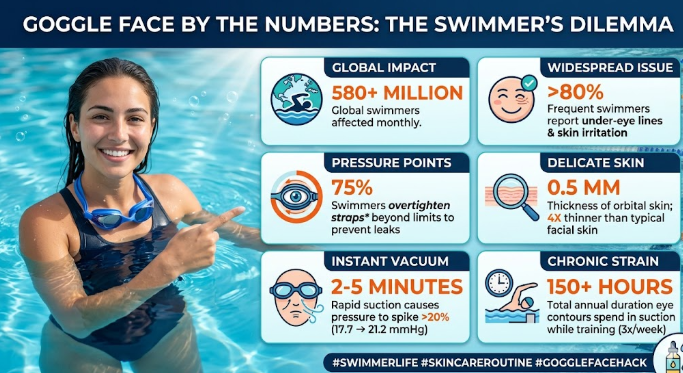
Goggle face is not just caused by strap pressure; it is a measurable physiological event driven by biomechanical numbers.
- Wearing swimming eyewear for just 2 to 5 minutes increases tissue pressure by 20% (jumping from baseline 17.7 mmHg up to 21.2+ mmHg). The swimming eyewear creates a suction to prevent pool water from entering and blocking vision. However, this seal establishes a negative pressure zone.
- This sustained vacuum evacuates interstitial fluid (the plumping fluid between skin cells) from the immediate eye contour, pushing it to the periphery of the goggle ring. However, the skin under the gasket looks deflated and creased, while the skin outside the goggle ring appears swollen and puffy.
- The skin around the eyes is very delicate, measuring just 0.5 mm thick. If an athlete swims for more than 150+ hours a year, this chronic mechanical stress—combined with constant exposure to chlorinated water—breaks down the collagen/elastin fibers, ultimately leading to micro-tears and wrinkles.
Fortunately, you don’t have to choose between eye health and your training. By understanding the physics of goggle suction, you can use a strategic layering technique to eliminate friction around the eyes. Combining lipid-rich facial oils with specific silicones protects your eye socket, keeping the skin smooth and friction-free.
Why Goggles Wreck Under-Eye Skin?
The skin surrounding the eyes is much thinner than the rest of the face. It contains very few oil glands and less collagen support, making it highly prone to physical trauma.
The vacuum seal requires keeping the water out subjects the skin to constant stretches around the eyes, friction and tugging, skin scratches, etc.
Over time, this physical stress breaks down collagen, and this results in indendation around the eyes. What started as a temporary indendation gradually evolves into more visible and prominent lines. Furthermore, chlorine and saltwater strip the skin barrier of its natural defense, creating an importance for extensive eye care.
The Science Behind Oil + Silicone Barrier for Preventing Goggle Face
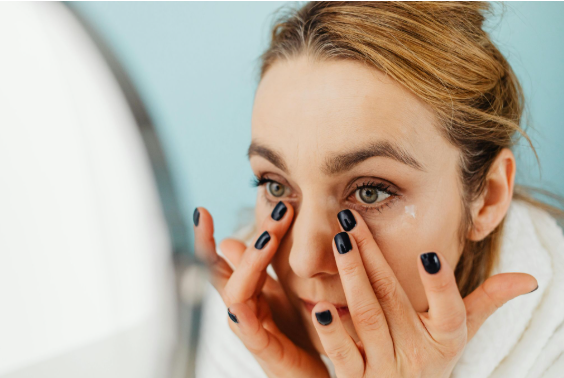
To protect your skin, you must build a defensive, water-resistant, low-friction shield before putting on your goggles. This requires two layers of protection—
Layer 1: Lipid-Rich Facial oil (The Cushion)
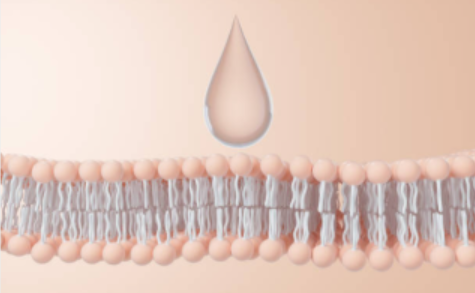
- Using lipid-rich botanical facial oil: Unlike water-based eye creams that dissolve or wash away the second water leaks into your goggles, pure botanical oils stay put. They sit comfortably on the skin and mimic its natural lipids, flooding the cells with moisture to create a plump, elastic cushion.
- Smooths the surface: It acts as a deep protective primer, filling in microscopic skin folds to reduce pressure damage.
- Prevents tugging: It allows the goggle gasket to glide during application and removal, stopping the rubber from pulling at your skin.
- Barrier support: It actively reinforces the thin skin barrier against harsh pool chemicals.
What Type of Hydrophilic Oil Do You Need to Look For?
Choose a lightweight, non-comedogenic botanical oil that won’t clog pores. It should be entirely fragrance-free, essential oil-free, and alcohol-free to prevent eye irritation. Look for pure single-ingredient oils or blends containing calming actives like squalane, jojoba, argan oil, bisabolol, or panthenol.
Layer 2: Silicones (The Shield)
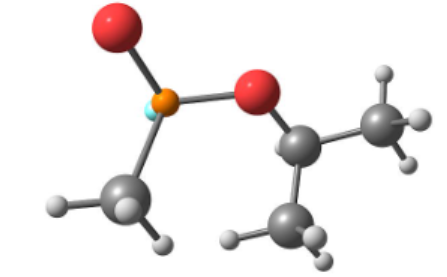
This layer acts as a sealant to lock in your hydrophilic oil. Applying a volatile silicone like cyclopentasiloxane creates a smooth shield that evaporates seamlessly within seconds, leaving a dry, silky finish.
Note: You don’t need raw industrial silicones; instead, look for high-quality cosmetic formulations like eye primers, water-based silicone serums, and anti-chafing balms.
The Benefits of Silicone for swimmers
- Creates a water-resistant barrier around eyes—Silicones are hydrophobic. Once applied, they help repel harsh chlorine and salt water away from the eyes.
- Eliminate stickiness – It neutralizes any sticky heavy residue left by oil application, creating a smooth surface.
- Dries instantly: The oil and silicone combination dries down completely, ensuring no greasy and sticky residue around the eyes and on goggles.
Non-comedogenic: Choosing high-quality cosmetic silicones protects the skin surface without clogging pores.
Pre and Post Swimming Routine To Prevent Goggle lines
Pre-routine care:
Step 1: Wash your face with a gentle cleanser to remove any pre-existing oil or gunk that could disrupt your skin barrier.
Step 2: Apply a tiny amount of lipid-rich oil around the eyes, and gently pat until it gets absorbed into the skin. Avoid overapplying, as excess oil can seep into your goggles, blurring the vision.
Step 3: Apply cyclopentasiloxane over the oil, take a few drops of silicone-based primer on your ring fingertip, and lightly pat around the eyes.
Step 4: Wait for 30 seconds until it evaporates and blends into skin.
Step 5: Put on your goggles, and it sits comfortably and feels less grabby against your skin.
Step 6: Remove the swimming goggles gently without yanking them harshly.
Post Routine Care:
Take a shower immediately to rinse off all the residue. Use a gentle cleanser to wash away the remaining oil and silicone layers. Afterward, apply hyaluronic acid followed by a cold water splash to restore blood flow and bring down fluid retention.
Because consistent exposure to chlorine and saltwater strips natural oils, your skin becomes extra dry and sensitive. To restore the skin barrier, use facial oils like rosehip oil, which are rich in linoleic acid.
How to Depuff Ring Outside the Eye Goggle?
The stubborn puffy ring outside your eyewear line is a direct result of fluid dynamics. The goggle vacuum displaces interstitial fluid outside the goggle ring, leaving swelling and puffy eyes.
To eliminate this, you need to manually drain the fluid and restore the circulation post-swimming immediately for better results.
Use the cold compress technique:

It is one of the best ways to treat constricted blood vessels and stimulate circulation. It avoids any sudden fluid retention. Wrap a clean soft cloth with the ice cubes and hold it near your puffy eyes for 2-3 minutes.
Manual Lymphatic Drainage:
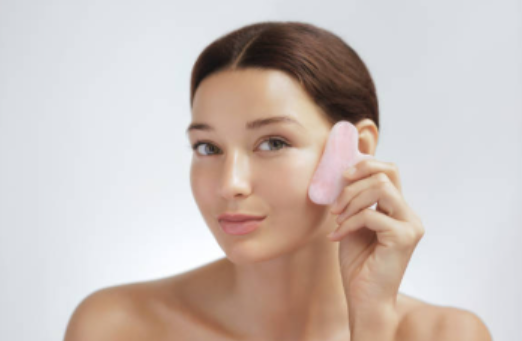
Since the fluid is trapped in the tissue, you must manually drain the fluid, guiding it towards lymph nodes. Apply facial oil or hyaluronic acid to give the skin some slip, then use a guasha tool to push the fluid towards lymphatic nodes. Always move in the direction from the inner corner of your eyes out towards your temples and down the side of your face towards the neck lymph nodes.
Leverage Caffeine:

Caffeine is generally good at de-puffing your eyes. Use an eye cream or serum containing caffeine as the main active ingredient, or for extra hydration, use a caffeine eye mask, or you can use very finely ground coffee powder and mix it with honey or mix it with almond oil.
Quick note on Goggle Design
Make sure you choose goggles that fit your eyes perfectly; avoid wearing loose or too-tight goggles that are not your size. You can look for custom-made goggles like TheMagic5 or IQfit™ 3D seals designed to reduce marks around the eyes. However, even the best goggles can generate some level of friction and suction; incorporating the oil and silicone layering hack remains your best defense against long-term permanent lines.
Final Thoughts:
Swimming is a phenomenal sport and very good for overall health. Swimmers put hours in their training subjects to mechanical stress like stretching, scratching, tugging, and suctioning under eyes. Without proper proactive protection, temporary marks can eventually settle into permanent wrinkles. Taking a few extra minutes to prep and recover protects your skin health without compromising your time in the lanes.
If you find the article helpful, please share it with friends and family. Let us know your thoughts or queries in the comment section below. Stay tuned for such interesting and science-backed informative articles.
Related Articles: