Magnesium Flakes vs. Epsom Salts: Which Is Better for Muscle Recovery?

Staying active is challenging but essential for heart health. As an active person myself, I know that muscle pain is a very common reality for athletes, sports enthusiasts, and gym goers alike. When it comes to post-workout recovery, most athletes reach for a bag of salt to toss into the tub for relief. It is an old-school method for treating muscle soreness. 

magnesium flakes vs epsom salts

The science behind using salts for muscle recovery lies in transdermal absorption (this happens because the magnesium ions are absorbed into the skin). The use of salts for muscle recovery has evolved from a home remedy to a multi-billion-dollar global industry. 

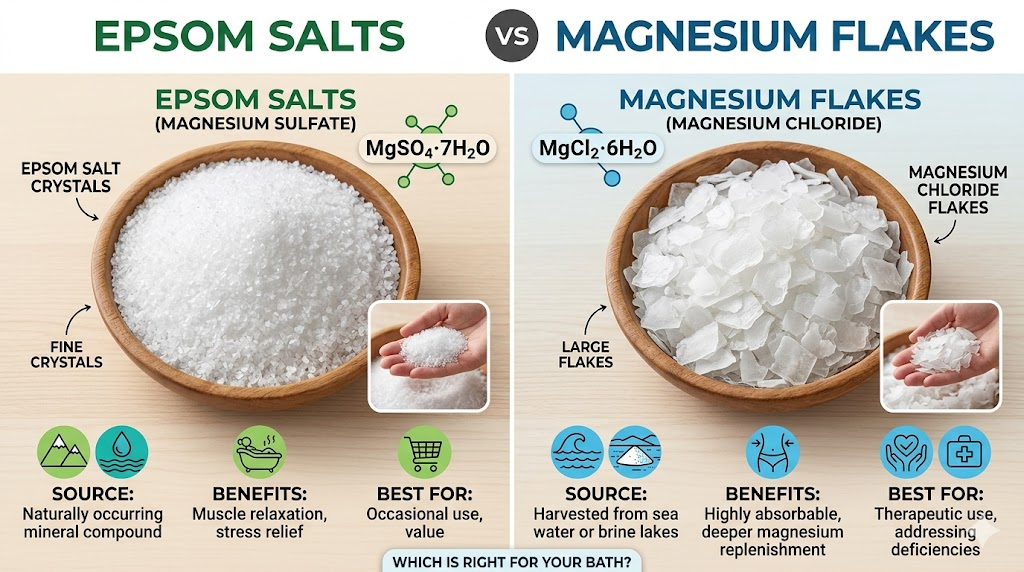
There are two primary types of salts used: Epsom salt (also known as magnesium sulfate) and magnesium flakes (also known as magnesium chloride). The global market for Epsom salt was valued at $1.1 billion in 2024, and it is projected to increase to reach $1.77 billion by 2033. By 2026, the industry is expected to be valued at $3.08 billion, growing at a 7.32% rate. 

Beyond professional sports recovery, household demand for pain relief has increased by 40%. Between 2024 and 2026, the industry has seen a significant shift towards magnesium flakes. While Epsom salts remain popular for their affordability, there is a significant 20% shift toward magnesium flakes among high-end consumers and professional athletes who prioritize superior absorption. 

Now, let us understand the science breakdown— 

How Does Salt Actually Work on Muscle Relief?

muscle soreness

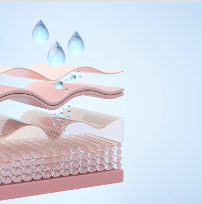
When you dissolve warm water by adding Epsom salt or magnesium flakes, the molecules undergo electrolytic dissociation. These ions enter the upper layer of the skin via hair follicles and sweat glands through passive diffusion. Inside the body, magnesium acts as a natural calcium antagonist. While calcium flows into muscle cells, it binds to the protein to cause muscle fibers to tighten(contraction), magnesium sits on those same binding sites to block the calcium(relaxation). 

Note: If the body is less magnesium deficient, then it produces fewer relaxation signals, leading to muscle cramps/stiffness/tightness. You can effectively increase magnesium levels by soaking your body in a bath infused with these salts. 

Why Is It Important to Add These Salts to Bathwater?

salt baths

The high concentration of salts in bathwater creates osmosis. This concentration is higher than the fluid trapped in your inflamed muscles, allowing it to pull excess fluid from the subcutaneous tissue. This process reduces inflammation and provides instant relief after a long training session. Additionally, magnesium helps regulate cortisol hormone levels, preventing mental fatigue and relaxing both the mind and the body. 

Difference Between Epsom Salt and Magnesium Flakes

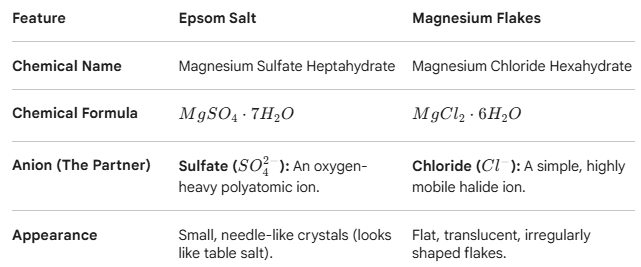
  1. Molecular Composition: Here is the basic chemical molecular composition between Epsom and magnesium flakes.  

Fig.: Molecular composition Epsom vs. magnesium flakes

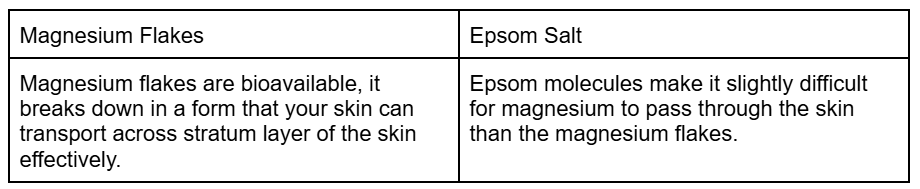
  1. Solubility: 

Fig.: Solubility between magnesium flakes vs. Epsom salt 

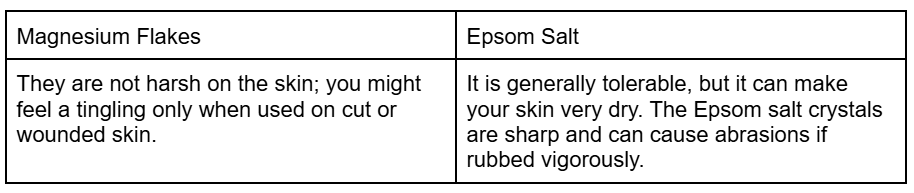
  1. Irritation: 
irritation

Fig: Skin sensitivity between magnesium flakes vs. Epsom salt

  1. Functionality of Ion: 

Fig: Functionality of Ion

  1. Cost:
cost of magnesium flakes vs epsom salts

Fig: Cost and availability

  1. Usage:
usage

Fig: How to use magnesium flakes / epsom salt  

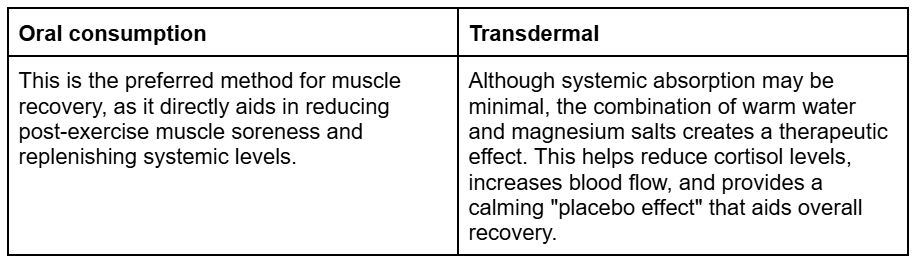
Oral vs. Transdermal (Flakes/Epsom Salts) for Muscle Recovery – What the Research Actually Says?

Multiple surveys and studies have confirmed that oral magnesium is highly effective at treating magnesium deficiency. A 2016 meta-study analysis demonstrated that oral consumption of magnesium supplements increases magnesium levels, with the body absorbing 24-76% of the dose, primarily in the colon region, before it reaches the bloodstream of the body. Dr. Uwe Gröber stated that oral intake remains superior to magnesium baths, arguing that while transdermal claims are popular, they often lack clinical evidence.    

 Why Transdermal Absorption Is Biologically Plausible But Unproven? 

The theory behind transdermal absorption suggests that magnesium enters the body through the hair follicles and sweat glands. However, the amount that actually reaches systemic circulation is considered minimal. A 2017 study noted that while transdermal methods may promote relaxation and provide localized pain relief, conclusive evidence of a significant rise in blood magnesium levels remains elusive.

Interestingly, one study involving 6 ileostomy patients (individuals with compromised small intestine absorption) has shown a 50% increase in magnesium levels following transdermal application. This suggests that for those with specific digestive issues, topical methods may offer a viable alternative.

Practical Recommendations: 

recommendation

Summary: 

Epsom salts are a classic, readily available way to treat muscle soreness by pulling out excess fluid. However, magnesium flakes provide better hydration and relieve muscle issues used by high-performance athletes. You can use oral supplements if you have any deficiency. Use magnesium-infused baths for relieving stress and lowering cortisol levels.  

I hope this article helps. Stay tuned for such amazing articles. You can support us by reading and sharing our articles with friends and colleagues.  

Related Articles: 

  1. Acne treatment for athletes
  2. Detanning remedies for athletes
  3. Guide on sports protective gears
  4. Haircare guide for athletes
  5. Gym acne vs fungal acne
  6. Athletes skincare guide
Scroll to Top