
Protective gear/personal protective equipment (PPE) is designed to safeguard from various accidents and injuries. Some of the PPE used by athletes are helmets, gloves, goggles, padded undergarments, and shin guards. Different sports require different protective essentials; based on your requirements, you need to opt for PPE.
While this equipment cannot fully eliminate the risk of accidents or injury, it certainly helps to minimize the severity of potential injury. In fact, a 2025 survey indicated that athletes who used PPE experienced a lower risk of injury.
Effectiveness of Protective Gear in Injury Reduction
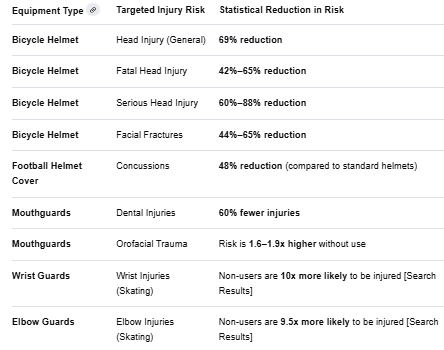
Fig 1: The above pic taken from the survey and AI shows the effectiveness of protective gear in injury reduction.
Though there is significant importance to protective equipment, there is a gap in usage behavior.
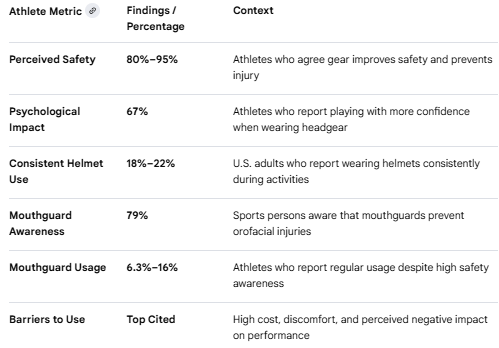
Fig 2: The above pic taken from the survey and AI shows the athlete perceptions and usage behavior (2025 surveys)
Types of Protective Gear for Sports Athletes
Here are different types of protective PPE based on different sports.
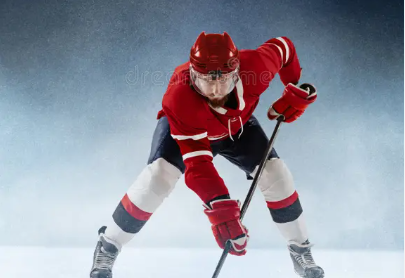
Hockey:
Cups and padded undergarments: These are usually worn by referees and coaches to protect the groin area.
Ref pads: They are worn under pants for protection by the referees and umpires.
Shin guards: Shin guards divert the impact and absorb the energy through internal cushioning.
Bauer vapor line: It is used to protect lightweight protection and mobility.
CCM Tacks Line: It is hockey equipment, including skates, sticks, and helmets.
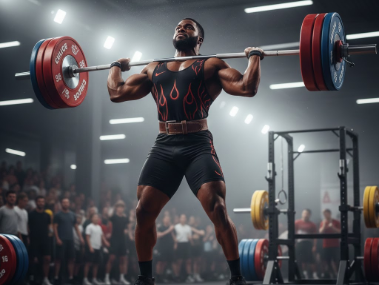
Weightlifting:
Knee sleeves: They provide compression and protection around the knees.
Wrist wraps: They provide support to lift heavy weight.
Belts: They provide core stability.
Weightlifting shoes: They provide a stable and wide non-compressible base. It protects and lifts the heel, ensuring optimal power transfer from the ground.
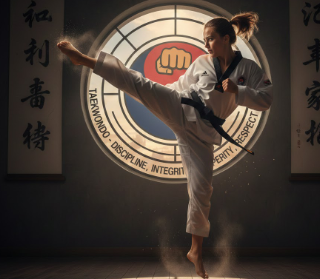
Taekwondo:
Head guards and chest protectors: As the names suggest, they protect your head and chest area to prevent any injury or bruises.
Forearm and instep guards: These are used to safeguard forearms and limbs during strikes and protect from injury.
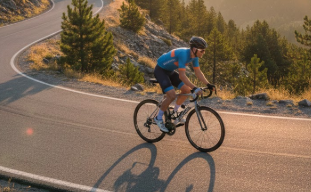
Cycling:
Helmets: Helmets are non-negotiable for safety. They protect the head from any accidents and injury.
Knee pads: As the name suggests, they provide protection to the knee joint from any injury and impact from constant kneeling.
Chest protectors: They shield the upper torso from high-impact collisions, common in cycling.
Skiing:
POC Back Protector: This protector is made with VPD (Visco-Elastic Polymer Dough) technology. It is soft and flexible to protect your back; if there is an impact, it hardens to absorb energy.
Padded Shorts: It protects the tailbone and hipbone.
Helmet: Protects your head from any injury on slopes.

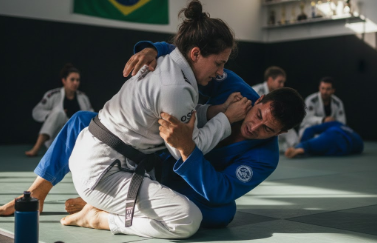
Brazilian Jiu-Jitsu:
Mouthguard: Provides protection to teeth and jawbone.
Headgear: Protects your skull bone and prevents cauliflower ear.
Cup: It protects the groin area.
Soccer:
Shin guards: They protect lower legs from injuries.
Goalie gloves: These are essential for providing grip; the added pad will provide protection to the palm and wrist.
Soft-shell headgear: Lightweight padded headgear to protect your head from minor injuries during training.

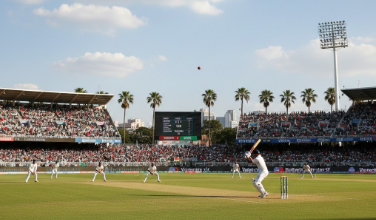
Cricket:
Helmet: It protects your head from any injury.
Leg Pads: Protective shield for the leg.
Abdominal guard: It is also called an athletic cup or box. It provides protection to the groin and lower abdominal area from high-impact injury.
Specialized batting gloves: They are made with advanced materials to provide optimal flexibility and protect your palm and wrist from any injury.
Safety Goggles/Spectacles: Protective shatter-resistant eyewear with polycarbonate lenses used in sports to prevent eye damage.
How to Choose Athletic Protective Equipment?
- Choose safety, not style: When choosing your protective equipment, prioritize safe and quality PPE, even though it will make you look nerdier and more boring than stylish.
- Fit and comfort: Make sure it is comfortable; you can use a sizing chart to check if it fits perfectly.
- Choose equipment that is needed for your sports: Do not unnecessarily buy it; choose the one that is comfortable and required for day-to-day sports training.
- School-provided gear: When participating in sports, sometimes schools do provide PPE. Check if the equipment is insured.
- Certified gear: For high-risk sports, look for certified equipment.
- Cross training: Start cross training; it will help you stay fit, healthy, and active. You can prevent injuries by cross-training your body.
Which are the Best Brands for Safety Gear?
When it comes to safety and comfort, select a brand that provides quality and comfort while ensuring protection.
- Decathlon: It is known for athleisure and sports equipment.
- Vuori: Known for high-performance PPE.
- HRX: Known for athleisure wear. It is one of the best athleisure brands in India, known for its comfort and durability.
- Lululemon: It is a high-quality, premium brand, known for its durability. The activewear is particularly good for yoga and running.
- Gym Shark: It is known for its active sportswear; it also has modest athleisure wear partnered with Leana Deeb.
- Popflex: Comfortable and stylish activewear. They are my go-to wear to look stylish and effortless.
Best Brands for PPE:
- Dainese: They are perfect for motorcycle ride safety PPE.
- Arai and Shoei: They are the best for helmets.
- Klim: Best for motorcycle jackets and pants.
- IXS: They are best for high-quality knee and shin guards.
- Fox: They are best for elbow, knee, and hip protection.
- Weightlifting House: They are best for knee sleeves.
- Gymreapers: It is best for knee wraps and other strength kits.
- Mammut/Rab: Best for performance gear.
- Superare and Leone Sport/Primo/Top King: They are best for fighting/boxing.
- Decathlon: Best for all kinds of sports and gym equipment.
While sports gear protects you from injury or any accidents, it might often damage your skin due to friction, sweat, and tight or unbreathable activewear.
Skincare for Athletes Post Training
Helmets and Headgear:
Helmets usually trap the airflow where sweat, bacteria, and germs grow. Taking care of your skincare and haircare becomes primary to avoid any infections.
- Scalp Acne: Due to excessive sweat and lack of airflow, the helmet makes the head a hot pocket, leading to acne mechanica.
- Traction Alopecia: Hair thinning or baldness caused by constant friction or pulling hair against the scalp.
- Dandruff: Fungal growth encouraged by the warm, damp environment inside a helmet; hence, maintaining hygiene is essential.
- Skincare Tip: You can use a gentle moisturizer with salicylic acid to unclog pores.
- Haircare Tip: Use a silk-based undercap when wearing a helmet; this could reduce friction and hair loss. Cleanse your scalp with a mild shampoo and use a mask to strengthen your hair.
Bodyguards/straps & pads:
The bodyguard straps or pads usually trap sweat, leading to rashes and friction.
- Ringworm: It could lead to redness, and in some severe cases, it could lead to fungal infections like ringworm.
- Acne: Due to excessive sweating, it could lead to acne and rashes.
- Skincare Tip: Use anti-chafing spray and antiseptic spray or any moisturizer to protect skin from friction. Make sure to keep your gear clean and sanitized.
Footwear:
- Fungal and toenail issues: Athletes usually face fungal issues and brittle toenails.
- Skincare tip: Make sure you wash your feet and use anti-fungal spray to prevent fungal growth. Also, trim toenails short to keep your nails healthy. Having long toenails creates pressure on them, leading to subungual hematoma or fungal nail infections even in teen athletes.
Eye protection:
- Eye Damage: Training under the sun can also impact your eyes.
- Skincare Tip: Use a layer of sunscreen around your eyes to avoid tan or baggy eyes, and use eyewear or a face shield to protect your eyes from UV damage and windburn.
Summary:
This article is a comprehensive guide on the importance of the essential PPE required for the sports. We have covered the importance of gear, emphasizing its role in reducing injury, and providing statistical evidence with sport-specific gear lists. We have also formulated a post-skincare guide for the athletes. If you really find the article helpful, kindly share it with colleagues and friends.