Sports and athletics are the best way to keep oneself active and healthy. They not only contribute to physical health but also to mental health. Additionally, playing sports is an effective way to remove the toxins from the body through sweat.
Usually athletes’ hygiene does get compromised due to busy schedules and hectic training. A study from the Journal of Athletic Training found that 42% of NCAA athletes reported infections that limited their performance in training and competitions.
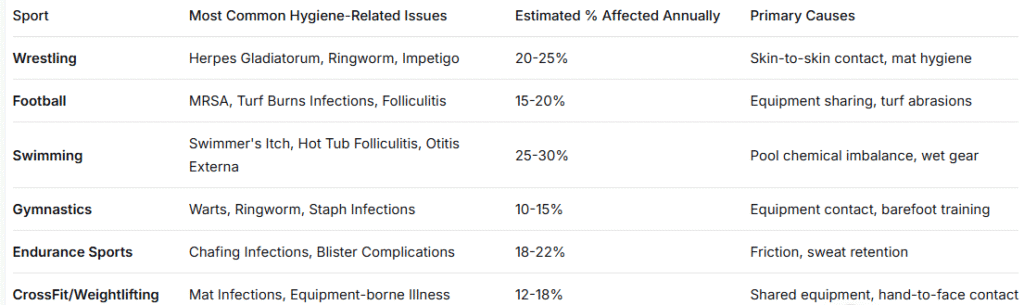
Sport-Related Health Risk Data
Fig: Comprehensive global data with multiple studies on health risk in athletes—picture taken from the study and AI
Infections and health risks are critical factors for athletes; therefore, adopting a comprehensive guide into their daily routines is essential.
Universal Hygiene Tips for Athletes
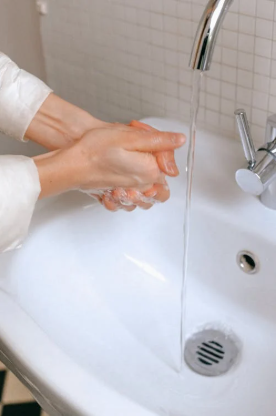
Washing Hands
Avoid touching your face with sweaty and dirty hands after intense physical training. This is crucial for preventing breakouts and acne. Subconsciously, staying mindful of this habit can significantly reduce skin irritation.
For athletes it is sometimes not convenient to follow certain hygiene protocols; when soap and water are unavailable, you can use antibacterial wet wipes for your hands and face, or you can use hand sanitizer for convenience.
Shower after Post-Training
Germs spread easily during the training, especially when sharing equipment or sharing towels. Take a shower immediately after training to get rid of germs. You can use a gentle cleanser and exfoliate your skin to remove sweat, unclog pores, and clear dead skin cells. If you use communal showering rooms, always wear flip-flops and carry your own necessary essentials before showering.
Sanitize your Sports equipment/gear
Sports equipment and gear are part of training. Regular use of sports gear leads to a buildup of bacteria. To prevent infection, use disinfectant wipes to clean your gear and equipment after every session. Additionally, avoid sharing personal items such as towels, shoes, or gear.
Don’t Share Water Bottles
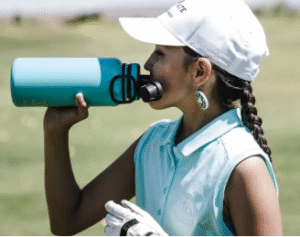
Avoid sharing water bottles; while it is common to share drinks with teammates, doing so could open room for infection. Always carry your own clean water bottle, wash it thoroughly after every use, and maintain personal hygiene.
Cut Wounds/Ringworm and Fungal Nail Infections
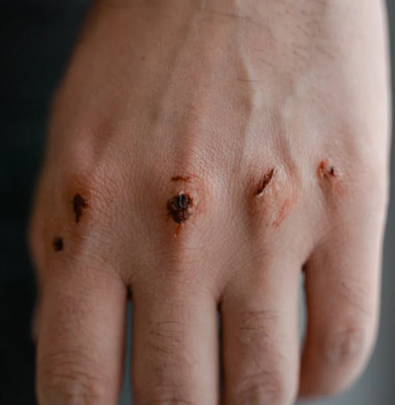
It is important to clean and treat any cuts or wounds immediately to prevent any infection. Keep a first aid kit handy and disinfectant with you. Avoid using common pools if you have an open wound.
Ringworm and fungal nail infections are common issues for athletes; proper hygiene is essential to avoid tinea pedis fungal infection—washing your feet regularly and changing your shoes and socks frequently can prevent fungal growth. Additionally, keep your toenails clean and trimmed. As even a small crack around the toenail can lead to infection.
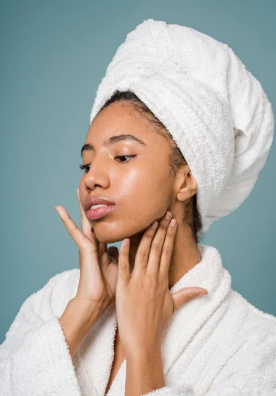
Use Basic Skincare
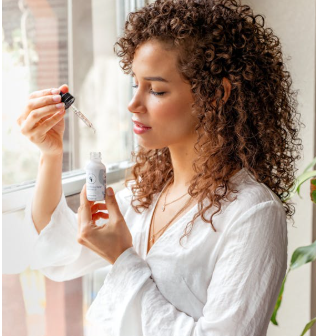
Athletes/teen athletes train outdoors, exposing their skin to sweat, dust, sun, harsh weather, etc. This can lead to significant skin damage. To protect yourself, keep your skin clean and apply sunscreen to prevent tans, acne, and long-term skin damage.
Taking Proper Rest, Drinking Plenty of Water & Practicing Healthy Eating
Intense training can lead to burnout; hence, making sleep essential. Rest is the primary way for both your body and your skin to heal. Sleep is primary for your body as well as your skin, as cells repair themselves when you get proper sleep. Furthermore, drink a lot of water and maintain healthy eating habits to keep your body hydrated and nourished.
Final Thoughts:
Outdoor athletes are particularly prone to infections and allergies. Following these hygiene guidelines can help you stay healthy and active on the field. If you fall sick after following all precautions, consult a doctor immediately. Avoid training while you are sick to prevent the spreading of infection. Stay home, rest, and recover.