
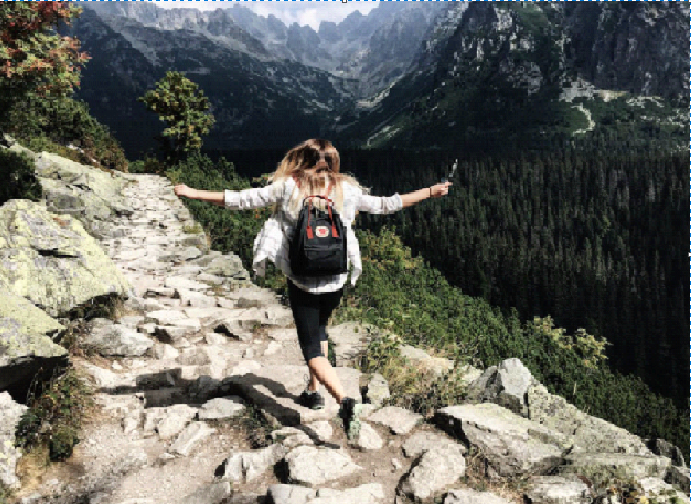
You pack your bags to move to the mountain to enjoy the mountain life and breathe fresh air, away from the city’s busy life and chaos. Or you just want to hike and enjoy the sporty life; either way you move. However, managing and surviving mountain life can be challenging.
Your skin, in particular, can be difficult to deal with in mountain life. It quickly becomes dry, flaky, sensitive, tanned, etc. High-altitude skincare is a different game than sea-level or beach care. As you go higher, the atmosphere becomes thinner, and UV rays become harsher. You will need a well-thought-out, engineered skincare regimen to protect yourself at 5000+ feet. Every 1000 feet, UV rays increased by 10-12%.
At high altitudes, snow reflects UV rays up to 80%, and strong windburn can strip natural oil from the skin, leaving it dry and flaky.
In this article, we will cover how to hydrate skin 2X and protect your skin by strengthening your skin barrier.
The Science Behind Skin Stress in High Altitude

Skin is our largest organ; it behaves differently depending on seasons, climates, and environments. At high elevations, the climate and environment start to change drastically.
UV Radiation: UV radiation becomes stronger by 4-5% per 1000 feet of elevation. By the time you reach 10,000 feet, UV exposure can be 40-50% higher than at sea level. UV rays basically break down collagen and elastin, leading to fine lines and premature aging.
Snow: Snow is a natural mirror. It reflects 80% of the UV radiation directly to the skin.
Cold Wind: Cold wind or windburn strips away natural skin’s oil. Leaving the skin looking dull, dry, and flaky.
Low Humidity: The air is incredibly dry, which pulls moisture from the skin through Transepidermal Water Loss (TEWL).
Low oxygen levels: High altitudes usually have low oxygen levels. Low oxygen levels not only affect the lungs but also the skin’s cells’ ability to repair themselves.
Blood Vessel Constricts: In a cold environment, to preserve body heat, your blood vessels constrict, which results in reduced blood flow to the skin—meaning fewer nutrients and oxygen are provided for the skin cells to thrive and repair themselves.
The Mountain Face– Skin Condition Athletes or Hikers Deal with High Altitude
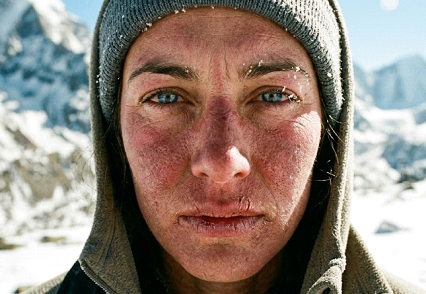
- Flakiness: Moisture from the skin evaporates in the windburn environment, leaving the skin around the mouth dry and flaky, where your smile lines are visible.
- Redness and Itchiness: The combination of 80% of UV reflection and wind creates a stinging, sunburned sensation.
- Skier’s Lines: Dehydration and UV damage deepen crow’s feet and expression lines.
- Chapped Areas: Friction from wiping the nose or mouth leads to inflamed patches.
Note: Apart from these skin issues, you might also feel dizzy, experience loss of appetite, or experience altitude sickness. You need to keep yourself hydrated and take ibuprofen or acetaminophen for a headache or dizziness.
Why Do Your Usual Skincare Products Fail at High Altitude?
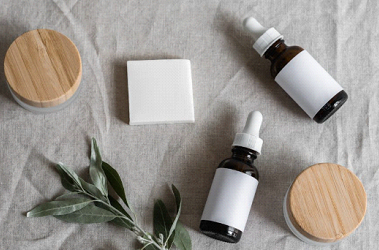
Most of the products are not useful for tackling harsh weather conditions in mountain areas; they do more damage to your skin than you think. Hence, it is necessary to understand which products will suit you better to tackle such extreme conditions and keep your skin hydrated.
There is an amazing strategy I follow to hydrate my skin in and out: humectants + emollients + occlusives = hydration + protection.
Night Time Routine
Hydrate Within: Keeping the body hydrated is important in humid conditions. You lose significant water through respiration in thin air. Hence, drink more water than usual to keep your skin cells hydrated and functioning.
Hyaluronic Acid(humectants): Hyaluronic acid is known for its hydrating properties. However, in mountain and desert environments, there is no moisture; hence, the moisture is drawn from the skin and evaporates into the dry atmosphere. Hence, to lock in the hydration, you can use petroleum jelly on top of the hyaluronic acid.
Skin Repair (Emollients): Use ingredients like ceramides and squalane to repair and protect your skin barrier.
Barrier Wax(Occlusives): Also known as ski balm, it is a waterless formula containing beeswax, lanolin, or shea butter. It protects your skin from windburns, maintains skin heat, and prevents natural oils from stripping away from the skin.
Day Time Routine:
Keep your skin hydrated, as mentioned above. Then follow the guidelines below.
Gentle Cleansing: Use gentle milk-based or oil-based cleansers to remove gunk without stripping the skin. Do not over-exfoliate your skin.
Moisturizer: Use a milk-based or gel-based moisturizer for oily skin. If you apply oil-based moisturizers to your oily skin, it can peel off the outer layer of skin. Dehydrated oily skin produces more oil to compensate. Using more oil will not work; you need binding agents to keep the skin hydrated. Hence, opt for milk- or gel-based moisturizer.
Sunscreen: Sunblock is non-negotiable, especially when you’re getting hit by 80% of direct sun rays. Harsh sunlight can damage skin cells, increasing the risk of skin cancer. Hence, keep yourself protected with a zinc- or titanium-based sunscreen stick. The sunscreen stick will lock in the moisture and protect you from sun damage. Keep reapplying sunscreen every hour for supreme protection.
Lock in the Moisture: Once you have applied moisturizer and sunscreen, lock it in with barrier wax. To retain the moisture.
My Personal Regimen:
I use coconut or jojoba oil for treating the skin at night. It protects the skin from irritation, redness, and burning sensations. Followed by a gentle moisturizer and anti-aging cream to protect against fine lines and crow’s feet, and lock it in with barrier cream. I finish it with a layer of shea butter on the lips.
A day routine starts with drinking plenty of warm water, gentle cleansing, moisturizing, and applying sunscreen. Followed by an anti-aging day cream and a shea butter layer to lock in the moisture. Additionally, do not forget to use ChapStick with SPF 50+ to protect your lips.
Caution:
- Coconut oil does not work for everyone; on acne-prone skin, it can clog pores and further flare acne.
- Avoid using hyaluronic acid during the day unless you are in a humid environment or have a very strong occlusive layer over it.
Best Sun Protection Sticks for Athletes in High Altitude Environments (tried and tested personally)
- Extreme Nomad Face Sunscreen Stick: It is mostly a mineral-based hybrid sunscreen, made to handle a high-altitude environment at 8000 m. It can function in -40°C to +60°C. You can apply this smoothly even while wearing gloves.
- Laboratoires de Biarritz Sport SPF50+ Stick: It is a mineral-based sunscreen stick made to handle extreme environments. Does not burn your eyes. Slightly leaves a white cast. It can function in -60°C to +50°C. You need to reapply every 40 mins.
Additionally, you can consider the Lifesystems Mountain Factor SPF 50+ sunscreen stick. It is a chemical-based sunscreen made explicitly for hikers, skiers, and mountaineers.
Post-Summit Skincare: Fading the “Mountain Tan” Safely
Being in a high-altitude place, somewhere your skin will be compromised. There are chances of getting tanned. It’s best to follow post-tan treatments to achieve clear, younger-looking skin.
Exfoliating Facial Treatments: Exfoliation removes dead skin cells and evens out the textured skin. When you are exposed to heat, there is a chance of skin breakouts. Acne leaves scars on the skin. These facial treatments can help you fade away the acne scars.
Dermaplane: It is a simple and gentle way to remove the dead skin layer using a sterile surgical scalpel, making the skin smoother so it can better absorb skincare products.
Gentle chemical peels: For post-mountain skin recovery, we recommend using gentle chemical peels such as lactic acid or PHAs (polyhydroxy acids). These have larger molecular structures that don’t penetrate as deeply. It is not as strong and painful as glycolic acid.
Final Words:
An altitude environment can be tricky to manage; it can lead to a lot of skin issues. It requires a highly planned skincare routine to protect your skin from harsh conditions. This article covers all.
Support us by reading our articles and sharing them with friends and colleagues. Stay tuned to us for more such helpful articles. Share your thoughts if you have any further queries.
Related Articles: