
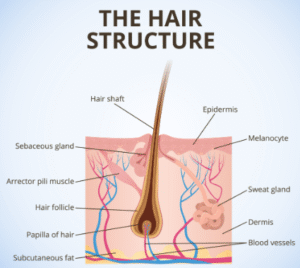
Hair care is very essential; it involves providing proper necessary nutrients, proper sleep, stress management, and last but not least good hygiene. While we focus on external factors, we often underlook diet and nutrients. A healthy diet helps you achieve healthy hair.
Now let us understand which vitamin enrichment helps in achieving healthy hair—
- Vitamin B1 (Thiamin)—Found in cereals, rice, trout, black beans, tuna, and acorn squash.
- Vitamin B2 (Riboflavin)—Found in cereals as well as oats, yogurt, milk, beef, clams, almonds, and cheese.
- Vitamin B7 (Biotin)—Found in eggs, fish, pork, beef, sunflower seeds, sweet potatoes, and almonds.
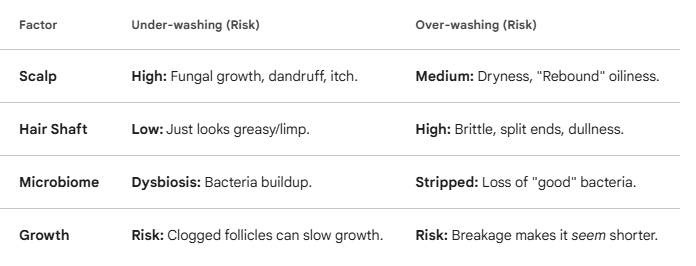
Additionally, it is vital to keep your hair clean through proper washing. However, it is equally important to avoid overwashing, which can remove all natural oil from the hair. Let us understand the risk of under- and overwashing hair.
Risk of Underwashing and Overwashing Hair:
Hair Washing Recommendation for Athletes
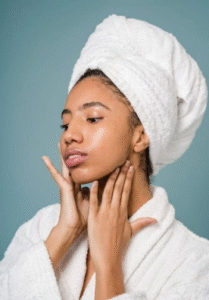
- Straight hair: Wash every 2 days
- Wavy hair: Wash every 3 days
- Coily hair: Wash every 1 week
Key Considerations for Haircare for Athletes
- Use a mild shampoo to wash your hair to remove salt, sweat, and dirt without stripping natural oils.
- Use a nourishing hair mask to restore moisture from environmental and mechanical stressors.
- Wear a silk cap under your helmet/gear to avoid pulling/friction.
- Avoid tying your hair tight into a bun or pony. However, braid your hair in a loose fashion.
- Follow a dedicated pre- and post-workout hair care routine.
- Understanding hair texture allows you to choose products that are required to maintain hair health.
- Regular oiling of hair can provide essential nutrients, nourishment, and a protective barrier.
Does Physical Activity Have Any Impact on the Hair Health of an Athlete?
Yes, it has both potential benefit and risk for the hair health of an athlete.
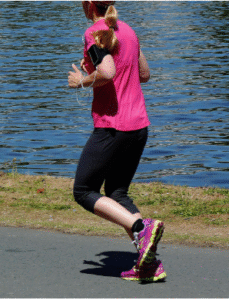
Benefit:
- Staying active can enhance the blood circulation throughout the body, including the scalp, and this will increase the oxygen and vital nutrients to the hair follicles.
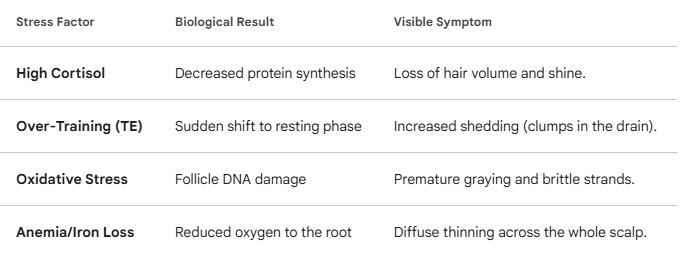
- It reduces stress and keeps cortisol in check; high stress/cortisol levels can lead to hair shedding, specifically telogen effluvium.
- Regular sports activity keeps hormones and insulin levels in control.
Risks:
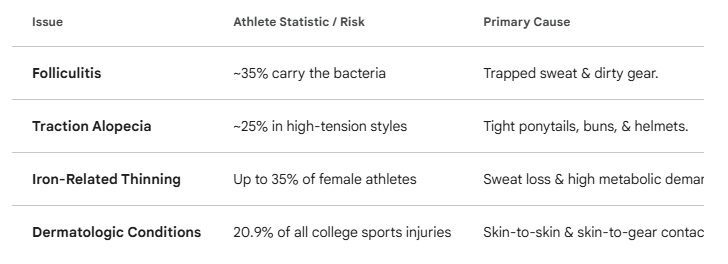
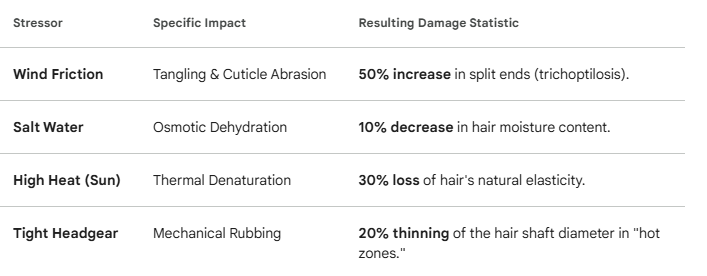
- Tight hairstyles like buns and ponytails can potentially lead to traction alopecia.
- Chlorine water can strip away natural oil and make the hair dull and brittle.
- Sweat buildup can lead to bacterial growth, resulting in acne, dandruff, irritation, and weakened hair follicles.
- Scalp issues like dandruff can also result in forehead acne. Hence, maintaining basic hair care and skincare is essential. Make sure you have a pre- and post-routine for hygiene even as a teen.
- If you are deficient in iron, protein (keratin), zinc, biotin, etc., it can lead to hair loss. A study suggests 35% of female athletes suffer from iron deficiencies.
- Excessive physical and mental exertion can act as a stressor in the hair-shedding phase.
Stress:
- According to a study, 70% of growing hair will enter the resting phase due to high stress.
- A study published in the Journal of Drugs in Dermatology found that high cortisol levels can reduce proteoglycans, a protein essential for hair follicles, by 45%.
- Athletes with high oxidative stress may experience premature hair graying.
- Hormonal imbalance triggered by stress can lead to hair thinning.
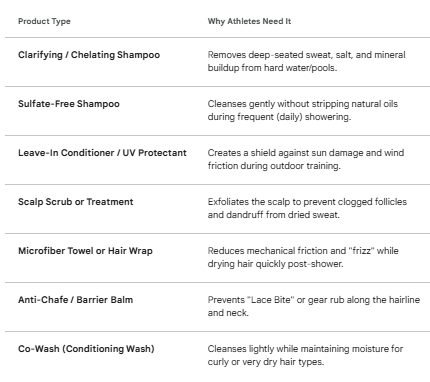
For Swimmers:
- Use swimmer’s oil/hair mask to prevent hair damage due to chlorine.
- Use specialized shampoo and conditioner designed to neutralize chlorine damage.
For Helmet Gear:
- Use dry shampoo pre-training to absorb the sweat as it occurs on the scalp.
- Wear a satin/silk liner under your helmet to prevent friction.
For Runners, Cyclists, and Other Outdoor Athletes:
- Use UV protective mist to prevent your skin and hair from UV damage/skin tan.
- Reapply sunscreen every 30 minutes for adult as well as teen athletes.
- Use a separate towel to wipe sweat from your face.
Hair care for Performance-Focused Athletes
Athletes should not only focus on hair and aesthetics but also on scalp health, overall diet, proper sleep, and health recovery and maintenance. Usually there is a 3-phase approach recommended for performance-focused athletes.
Phase 1: Pre-Workout/training
Before you start your training, you need to prepare your hair by creating a physical barrier around it so that it stays protected from mechanical and environmental changes.
- If you are a swimmer, use dry shampoo under the cap to avoid a sweaty scalp. You can also wet your hair with fresh water to avoid the hair absorbing chlorine or salty water.
- Use a nourishing mask to avoid hair turning brittle due to chlorine and salt water.
- Protect your hair with UV protector spray from any sun damage.
- Avoid tying your hair tightly into a ponytail or bun.
Phase 2: During Activity
- Use a clean microfiber cloth to wipe away sweat. You can use a microfiber band to keep your hair in place without causing damage.
- Ensure your headgear fits properly. Loose-fitting gear can slide and pull against the hair follicle.
- Wear a satin/silk lining under the helmet to minimize friction.
Phase 3: Post Training
- Cleanse your hair to remove dirt, sweat, and chlorinated hair.
- Use products that protect your hair from chlorine and salt water and do not irritate your scalp.
- Use antibacterial or antifungal scalp wash.
- Use a pH-balanced hair wash and conditioner (pH 4.5–5.5).
- Make sure you clean and sanitize your sports gear to avoid any fungal infections.
Additional Considerations for Product Selection:
- Use products that are very effective, gentle, and quick-drying.
- Use gentle ingredients that do not destroy the hair protein.
- Make sure to choose the hairstyles that minimize the movement.
- Avoid using heating tools on hair to curl, straighten, or dry it.
- Avoid brushing wet hair aggressively.
Conclusion:
Hair care is not just for aesthetics; it is also taking care of the scalp, protection from sun damage, stress management, and getting proper sleep. An active lifestyle does not mean sacrificing healthy, stylish hair. With the right approach, the right products, consistent habits, and a healthy diet, you can achieve healthy, luscious hair. Make sure you follow a simple haircare routine pre- and post-training as mentioned in the article.
If this article has helped you, kindly share it with your friends and colleagues. Stay tuned to read more about beauty, wellness, and health tips. You can also visit our website to read other articles.